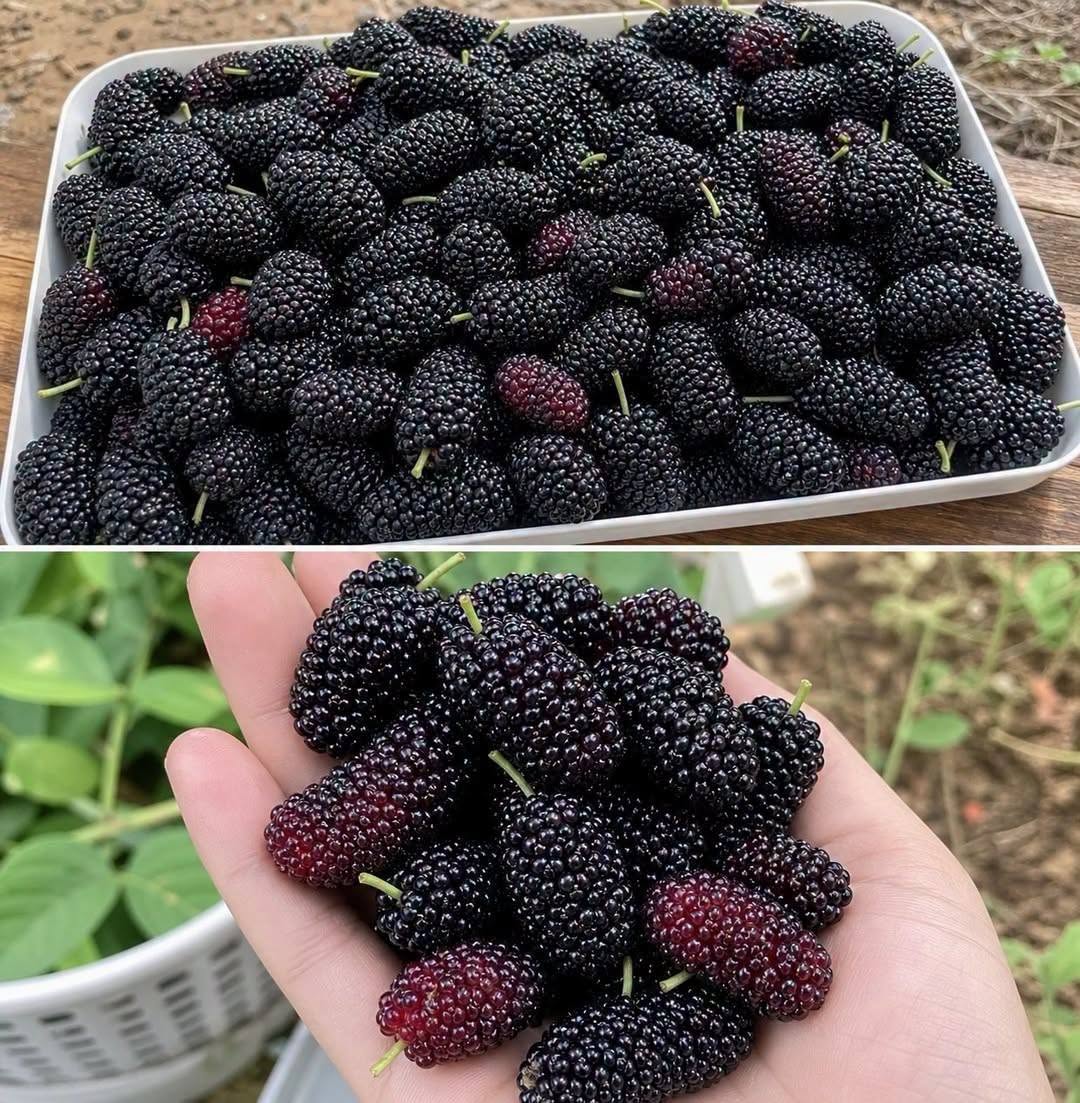
Why are blackberries so dark?
The dark purple, almost black color of ripe blackberries is largely due to natural pigments called anthocyanins .
Anthocyanins belong to a larger group of plant compounds known as polyphenols. Plants produce these compounds for various biological functions, and humans obtain them by consuming brightly colored fruits and vegetables.
The darker the ripe fruit becomes, the more striking its concentration of pigments tends to be.
This is one of the reasons why brightly colored berries are often included in diets that emphasize a variety of plant-based foods.
However, it’s important not to interpret color as proof that a food can prevent or cure a particular disease. Blackberries are nutritious, but they are just one of many foods that make up a generally healthy diet.
1. Blackberries provide dietary fiber.
One of the biggest nutritional advantages of whole blackberries is their dietary fiber .
Fiber is important for proper digestion and can help regulate bowel movements. It also contributes to a feeling of fullness after eating.
Consuming whole fruit instead of drinking fruit juice has another advantage: you retain the fruit’s fiber instead of mainly ingesting liquids and natural sugars.
For people trying to improve their diet, adding berries to meals can be a simple way to increase the variety of plant-based foods and fiber intake.
A portion of blackberries can be eaten:
- By themselves
- With natural yogurt
- Mixed with oats or cereals.
- It is added to smoothies.
- Combined with nuts and seeds.
- It is used as a topping for wholemeal toast.
- Added to fruit salads
Of course, portion size is still important, especially for people who need to control their carbohydrate intake.
2. They contain vitamin C
Blackberries provide vitamin C , an essential nutrient that plays a role in several important bodily functions.
Vitamin C contributes to:
- Normal immune function
- Collagen formation
- Wound healing
- Iron absorption
- Protection of cells against oxidative stress
Generally, it is preferable to obtain vitamin C from whole fruits rather than relying on supplements, unless supplementation has been recommended for a specific reason.
Blackberries can contribute to your daily vitamin C intake along with foods such as oranges, guava, kiwi, peppers, tomatoes, and strawberries.