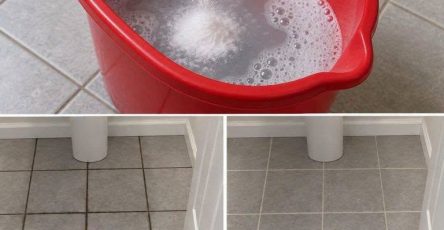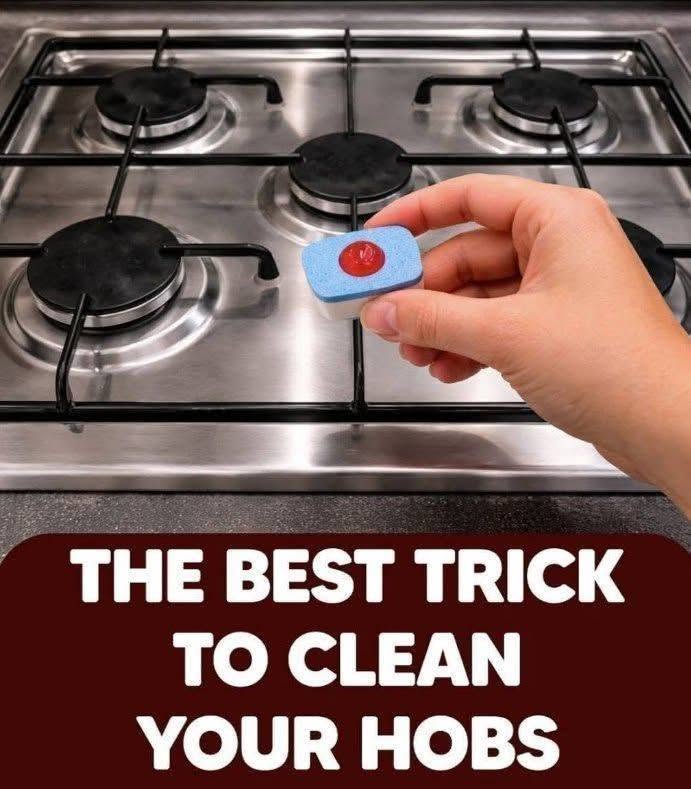
The hob should be cleaned regularly, ideally after each use, so that it stays in good condition and remains easier to maintain over time.
When grease, food residue, or spilled liquids are left to dry, they can become much harder to remove and may require more effort to clean.
Hobs are made from different materials, and some surfaces are more delicate than others. Stainless steel is among the most common, but glass ceramic and other finishes also require careful treatment.
Whatever type of hob you have, the goal is the same: remove dirt effectively without scratching, dulling, or otherwise damaging the surface.
Cleaning should not stop at the main cooking surface. The grates, burners, and other removable parts of a stove can also collect grease, food particles, and residue. Cast-iron and enamelled grates require particular care because aggressive cleaning methods can affect their surface.
Fortunately, everyday cleaning does not have to involve complicated products. Gentle methods using water, baking soda, and neutral detergent can help loosen ordinary dirt while allowing you to clean the hob without relying on unnecessarily aggressive tools.
General Rules for Cleaning the Hob
Before cleaning, always choose products and tools that are appropriate for the surface. Rough sponges, abrasive pads, and metal scouring nets can leave scratches, especially on delicate finishes.
Even when a stain appears difficult, increasing the abrasiveness of the cleaning tool is not necessarily the best solution.
A soft cloth or soft sponge is generally a better starting point. Neutral detergent can be used when additional cleaning power is needed, while simple household ingredients such as baking soda can help with everyday residue.
If you have a stainless-steel or glass-ceramic hob, do not use bleach. Avoid experimenting with strong products simply because a stain appears stubborn. The safest approach is to begin with a gentle method and allow time for the residue to soften.
Another important rule is to clean the hob when it is safe to do so. Allow the cooking surface and removable components to cool before handling them. This makes cleaning easier and reduces the risk of burns.
Daily Cleaning of the Hob
Cleaning the hob after each use is one of the simplest ways to prevent stubborn buildup. Fresh spills are generally much easier to remove than residue that has been allowed to dry repeatedly.
For ordinary daily cleaning, wipe the surface with a soft cloth soaked in a mixture of water and baking soda. Work gently over the surface, paying attention to areas where food or grease has collected.
Once the residue has been removed, rinse with a clean, soft cloth and dry thoroughly.
Drying is an important final step rather than something to skip. Leaving moisture on the surface can contribute to visible spots, particularly on stainless steel. A dry, soft cloth helps leave the hob cleaner and more polished-looking.
How to Remove Encrusted Stains
When food residue has dried onto the hob, avoid immediately attacking it with a rough sponge or metal tool. A gentler method is to apply water and baking soda or water and neutral detergent to the affected area.
Leave the mixture on the residue for at least 10 minutes. This waiting period gives the moisture and cleaning solution time to soften the buildup, making it easier to remove without excessive scrubbing.
Afterward, wipe the area with a soft cloth. If necessary, repeat the process rather than applying more force. Once the residue has been removed, rinse away any remaining cleaning mixture and dry the surface carefully.
Cleaning a Stainless-Steel Hob
Stainless steel can look beautiful when clean, but it can also show water spots, fingerprints, and streaks easily. For this reason, cleaning should be followed by thorough drying.
After removing food residue with water and baking soda or a neutral detergent, you can finish a stainless-steel hob by passing over the surface with water and vinegar.
This can help improve the appearance of the steel and remove some of the marks left by water.
Use a soft cloth and avoid aggressive rubbing. Stainless steel can be scratched, and once a surface has been damaged, cleaning cannot simply restore the original finish.
After using the water-and-vinegar solution, dry the hob completely with a clean cloth. This final step helps prevent new spots from forming as the remaining moisture evaporates.
ADVERTISEMENT
How to Clean a Glass-Ceramic Hob
Glass-ceramic hobs require particular attention because their smooth surface can be scratched if they are cleaned with unsuitable tools. For everyday cleaning, use a soft sponge and avoid abrasive materials.
ADVERTISEMENT
As with other hob surfaces, it is best to clean spills regularly rather than allowing them to accumulate. Fresh residue can usually be wiped away more easily, while repeated heating can make dried-on stains increasingly difficult to remove.
For more stubborn encrustations, a scraper may sometimes be necessary. Use an appropriate hob scraper carefully rather than replacing it with a knife or another sharp household object. The purpose is to lift the residue while protecting the cooking surface.
Do not press unnecessarily hard. If residue remains difficult to remove, softening it first can reduce the amount of scraping required.
Why You Should Avoid Rough Sponges and Metal Nets
When a hob is heavily soiled, it can be tempting to reach for the most abrasive cleaning tool available. However, this can create a different problem: scratches and surface damage.
ADVERTISEMENT
Rough sponges and metal nets can be particularly unsuitable for delicate cooking surfaces. Even if they remove a stain quickly, the marks they leave behind can make the surface more difficult to keep looking clean in the future.
A gentle cloth, soft sponge, and a little patience are often a better combination. Allowing a cleaning mixture to sit on a stubborn stain can do more to loosen it than vigorous scrubbing.
Cleaning the Stove and Burners
The main hob surface is only one part of the stove that needs attention. Burners and the areas surrounding them can collect grease and food particles during normal cooking.
Before cleaning removable stove components, make sure they are cool. Remove them carefully and clean them according to the type of material involved. Water and a suitable neutral detergent can be used to remove ordinary grease and residue, while gentle handling helps preserve the surface.
Pay attention to areas where food can accumulate around the burners. These small spaces may not be obvious during a quick wipe-down, but regular cleaning prevents residue from becoming increasingly difficult to remove.
Once removable parts have been cleaned, rinse away cleaning residue and allow them to dry properly before putting them back in place.
How to Clean Cast-Iron Grates
Cast-iron grates can become covered with grease and cooked-on food residue. Because they are exposed to high heat, buildup can become particularly stubborn if the grates are not cleaned regularly.
Remove the grates only after they have cooled completely. Clean them gently rather than using unnecessarily aggressive tools. Water and a suitable neutral cleaning solution can help loosen ordinary residue.
For more persistent buildup, allowing the cleaning solution to work for a while can make the job easier. Instead of immediately scrubbing with a metal net, give the residue time to soften and then wipe or clean it away carefully.
After cleaning, rinse thoroughly and dry the grates well. Returning removable components to the stove while they are still wet is not a good substitute for proper drying.
Cleaning Enamelled Grates
Enamelled grates also need gentle treatment. Although the enamel provides a durable surface, abrasive cleaning tools can damage the finish.
Start by removing loose food particles and then use water with a neutral detergent. Allow stubborn residue to soften before wiping it away with a suitable soft cloth or sponge.
Avoid assuming that a stronger product will automatically produce a better result. With enamelled surfaces, protecting the finish is just as important as removing the grease.
Dealing With Grease
Grease is one of the most common types of residue found on a hob. When it is fresh, it can often be removed relatively easily.
When it is repeatedly heated and allowed to remain on the surface, it becomes more difficult to clean.
This is another reason daily maintenance is so useful. A quick wipe after cooking can prevent a thin layer of grease from gradually becoming a thick, sticky buildup.
When grease has already dried, use a gentle cleaning solution and give it time to work. Wipe the area carefully and repeat the process if necessary rather than immediately resorting to abrasive scrubbing.
Cleaning Spills as Soon as Possible
Milk, sauces, cooking liquids, and other foods can leave different types of residue when they dry. The longer they remain on a heated surface, the more difficult they may become to remove.
Cleaning after cooking helps keep the hob from developing layers of old residue. It also means that each cleaning session can remain short and simple instead of turning into a major scrubbing job.
For this reason, regular maintenance is often more effective than occasional intensive cleaning. A few minutes of gentle cleaning can help prevent the need for much more demanding work later.
Read more on next page
How to Make Hob Cleaning Easier
The easiest way to keep a hob clean is to make cleaning part of the normal cooking routine.
Once the cooking surface has cooled sufficiently and it is safe to clean, remove visible residue rather than leaving it until the next day.
Keep a soft cloth or sponge available for routine cleaning and use a separate clean cloth for drying. Having the right tools nearby makes it easier to deal with small spills before they become stubborn stains.
It is also useful to distinguish between daily cleaning and occasional deeper cleaning. Daily maintenance focuses on fresh food residue, grease, and visible marks. A deeper session can focus on the grates, burners, and areas that are not cleaned as frequently.
What Not to Use on the Hob
Rough abrasive sponges: These can scratch or damage delicate surfaces.
Metal nets: Avoid them when the surface could be scratched by aggressive scrubbing.
Bleach on steel or glass ceramic: The article specifically advises against using bleach on these surfaces.
Excessive force: Scrubbing harder is not always the best way to remove stubborn residue.
Unnecessary aggressive products: Begin with gentle cleaning methods whenever possible.
A Simple Cleaning Routine
A practical routine can be divided into a few straightforward stages.
First, allow the hob and removable components to cool to a safe temperature. Then remove loose crumbs and food residue. Clean the main surface using a soft cloth with water and baking soda or a neutral detergent.
For dried or encrusted areas, apply the appropriate mixture and leave it for at least 10 minutes. This gives the residue time to soften. Wipe gently with a soft cloth and rinse away the cleaning product.
If the hob is stainless steel, water and vinegar can be used as a finishing step to improve its appearance. Whatever type of surface you have, finish by drying it thoroughly.
Keeping the Hob Looking Clean
Regular cleaning is not only about hygiene and appearance. It also makes future cleaning easier. When residue is removed before it has time to dry and build up, there is less material to scrub away later.
Drying is equally important for appearance. Stainless steel in particular can show water marks when it is left wet. A final pass with a clean, soft cloth helps leave the surface neat and reduces visible spots.
For glass-ceramic surfaces, preventing buildup is especially useful because stubborn deposits can require additional care. Cleaning after each use and using gentle tools helps maintain the smooth surface.
Frequently Asked Questions
How often should I clean the hob?
The hob should ideally be cleaned after every use. Regular cleaning removes fresh dirt before it dries and becomes more difficult to eliminate.
Can I use baking soda to clean the hob?
Yes. The recommended daily method uses water and baking soda with a soft cloth. Baking soda can also be used with water on encrusted areas, which should then be left for at least 10 minutes before being wiped clean.
Can I use vinegar on a stainless-steel hob?
The suggested finishing method for stainless steel is water and vinegar. After using it, dry the surface well to prevent spots from forming.
Can I use bleach on a glass-ceramic hob?
The article advises against using bleach on steel or glass-ceramic hobs. Gentle cleaning products are preferable for these surfaces.
What should I do if food has dried onto the hob?
Apply water and baking soda or water and neutral detergent to the affected area and leave it for at least 10 minutes.
Then wipe gently with a soft cloth. On glass ceramic, a suitable scraper may be needed for stubborn encrustations.
How do I avoid scratching my hob?
Avoid rough sponges, metal nets, and other aggressive cleaning instruments. Use soft cloths or sponges and let cleaning solutions soften stubborn residue before wiping.
Final Thoughts
Cleaning the hob does not need to be a difficult or time-consuming task when it is done regularly. The most important habit is to avoid allowing food and grease to remain on the surface long enough to dry and build up.
For everyday cleaning, water and baking soda with a soft cloth can provide a simple starting point. Neutral detergent can be used when additional cleaning is needed, while stainless steel can be finished with water and vinegar.
Glass-ceramic surfaces require particular care, especially when removing encrustations, and a suitable scraper may sometimes be necessary.
The same principle applies to stoves and grates: clean them gently, avoid unnecessarily abrasive tools, and allow stubborn residue to soften before attempting to remove it.
With consistent daily care, the hob, burners, and grates can remain cleaner while avoiding the excessive scrubbing that often comes with neglected buildup.