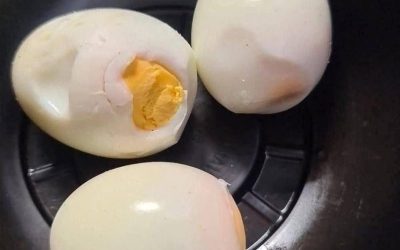

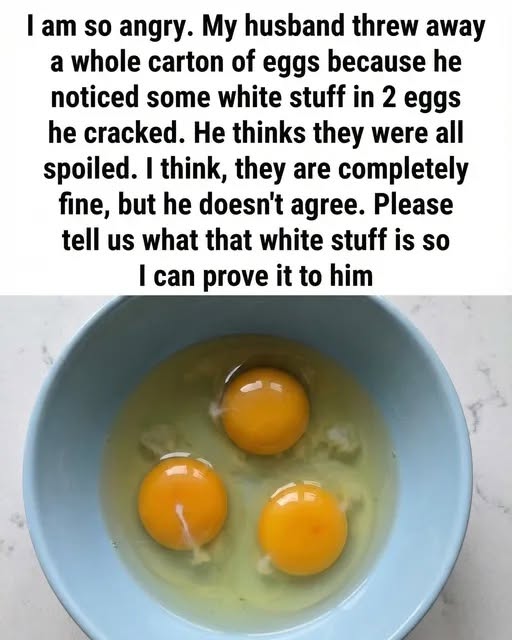
Interestingly, the chalaza can also offer a subtle clue about freshness. In newer eggs, it tends to appear thicker and more defined, while in older eggs it becomes thinner and less noticeable over time. So if you see a firm, rope-like strand, it usually means the egg hasn’t been sitting around for long. Nutritionally, the chalaza is made of the same type of protein found in the egg white itself, which means it is perfectly safe to eat. In everyday cooking—whether you’re frying, scrambling, or baking—it blends in and becomes invisible once heated.
There’s generally no reason to remove the chalaza unless you’re preparing recipes that require an ultra-smooth texture, such as delicate custards or refined sauces. For most meals, leaving it in won’t affect flavor, safety, or quality in any way. Knowing this small detail can make cooking feel more relaxed and informed, reminding us that natural foods often include features we simply aren’t used to noticing. The next time you spot that white strand, you’ll recognize it not as a flaw, but as a normal—and even reassuring—part of a fresh egg.
Thank you for visiting the site
To see the full cooking instructions, go to the next page or click the Open button (>) and don't forget to SHARE it with your friends on Facebook.