

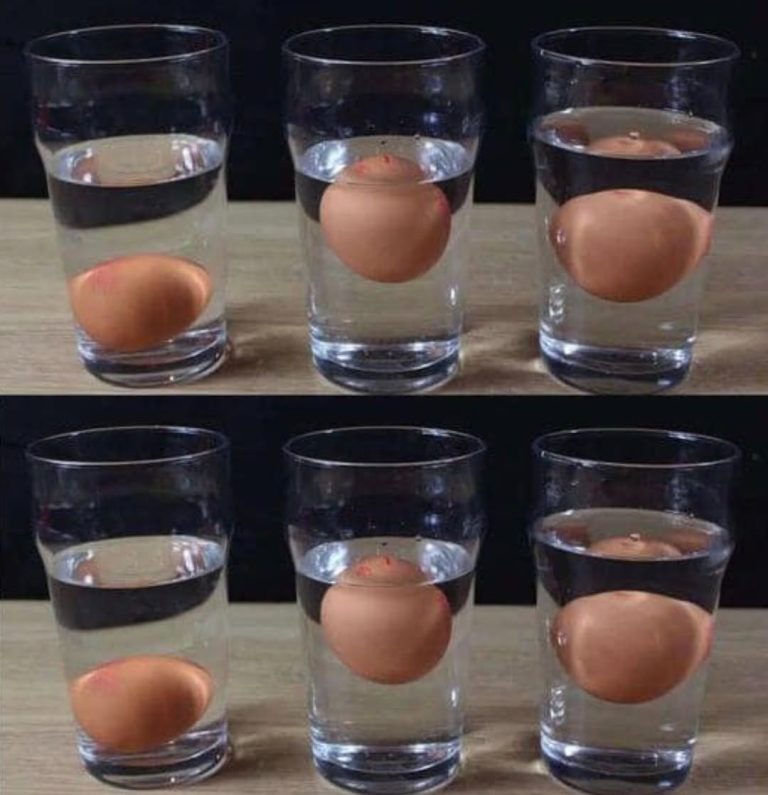
2. The Sniff Test: Your Nose Knows Best
Never skip this one—especially if you’ve already cracked the egg.
Fresh eggs have little to no odor.
Bad eggs smell sulfurous, like rotten eggs (literally!), ammonia, or sour milk.
If you detect any off smell—even faintly—throw it out. Cooking won’t kill all the bacteria, and foodborne illness isn’t worth the risk.
Pro tip: Do the sniff test away from your mixing bowl! One bad egg can contaminate your whole batch.
3. The Visual & Texture Check
Once cracked, examine the egg closely:
Yolk: Should be bright yellow or orange, domed, and intact.
White (albumen): Should be thick and gel-like near the yolk, with a thinner outer layer.
Red flags:
Pink, green, or iridescent egg white → bacterial contamination
Watery, spread-out whites → old but not necessarily bad (okay for baking)
Blood spots or meat spots → harmless! Just remove with a spoon if desired.
But What About the “Sell-By” or “Expiration” Date?
Here’s the truth: Eggs are usually good for 3–5 weeks after the pack date—even if the carton says “use by” sooner.
Pack date (a 3-digit number like “045” = Feb 14) = when they were cleaned and boxed.
Sell-by date = for stores, not consumers.
As long as eggs are refrigerated at or below 40°F (4°C), they stay safe well beyond the printed date. Always store them in the main fridge compartment—not the door, where temps fluctuate.
FAQs: Your Egg Safety Questions, Answered
Continued on next page:
To see the full cooking instructions, go to the next page or click the Open button (>) and don't forget to SHARE it with your friends on Facebook.