
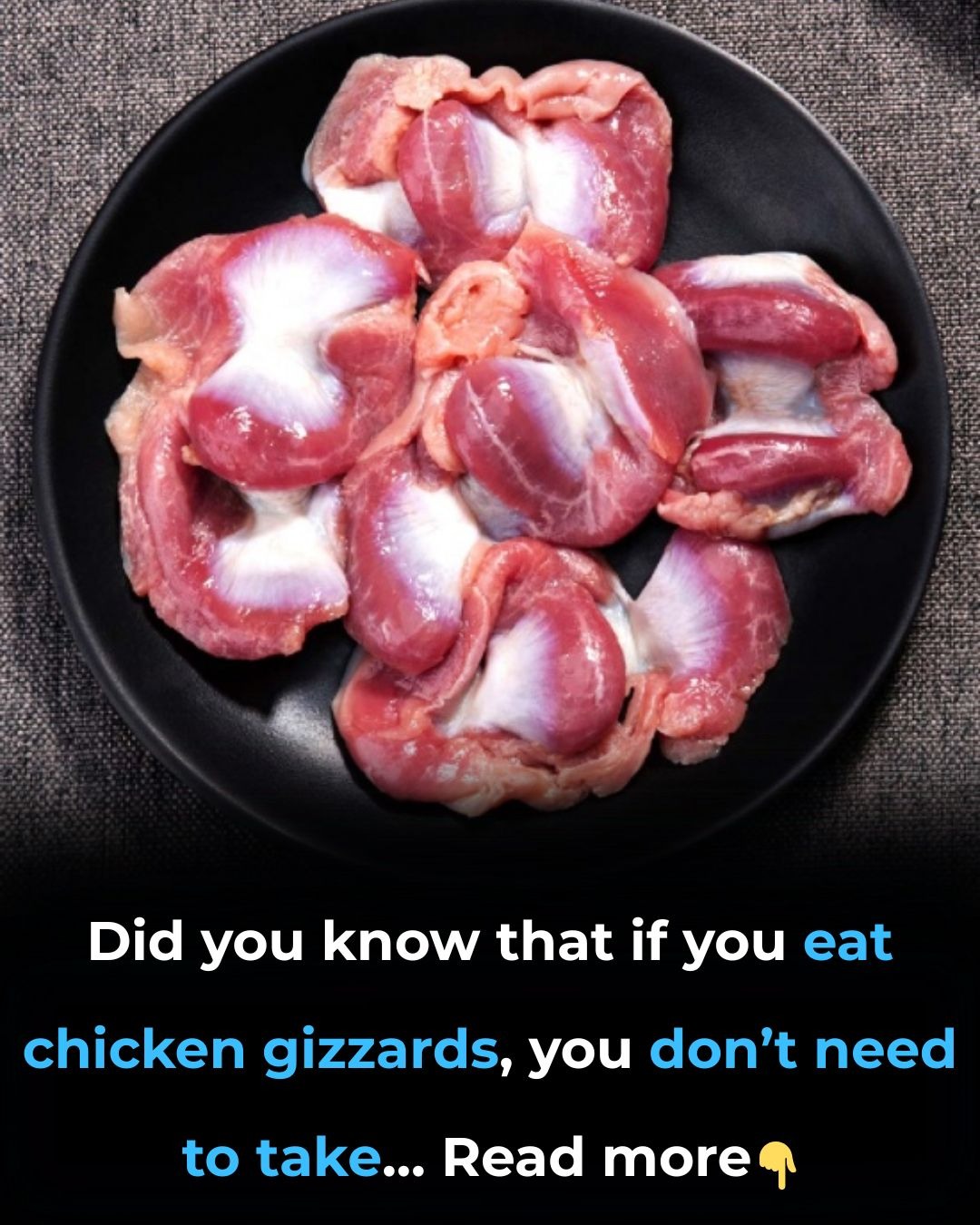
Gizzards are loaded with heme iron—the type your body absorbs easily. Just one serving provides up to 25% of your daily iron needs, making them a great choice for those prone to anemia or fatigue.
✅ Loaded with B Vitamins
Especially B12 and niacin (B3), which support nerve function, energy metabolism, and brain health.
✅ Natural Source of Collagen & Gelatin
When cooked low and slow, gizzards release collagen that supports joint, skin, and gut health—no bone broth required!
✅ Budget-Friendly & Sustainable
Often priced at $2–$4 per pound, they’re a thrifty way to stretch your food dollar. Plus, using organ meats honors the “nose-to-tail” philosophy, reducing food waste.
🍳 How to Cook Gizzards So They’re Tender (Not Tough!)
The secret? Low and slow + acid or brine. Gizzards are muscle—specifically, the bird’s “second stomach” that grinds food—so they need time to break down.
Step 1: Clean & Prep
Rinse gizzards under cold water.
Trim any excess fat or greenish lining (that’s the inner membrane—remove it to avoid bitterness).
Step 2: Tenderize
Option A (Brine): Soak in salted water (1 tbsp salt per cup of water) for 30–60 mins.
Option B (Acid): Simmer in broth with a splash of vinegar, lemon juice, or wine for 10 mins before long cooking.
Step 3: Cook Low & Slow
Stovetop: Cover with water or broth, simmer 1.5–2 hours until fork-tender.
Instant Pot: 35–40 minutes on high pressure + natural release.
Slow Cooker: 6–8 hours on low with aromatics (onion, garlic, bay leaf).
Step 4: Crisp Them Up (Optional!)
Once tender, pat dry and pan-fry in butter or oil until golden and crispy—perfect for tacos, salads, or grain bowls.
🌍 How the World Loves Gizzards
See continuation on next page
To see the full cooking instructions, go to the next page or click the Open button (>) and don't forget to SHARE it with your friends on Facebook.