AVOID Ginger If You Have THESE Health Problems

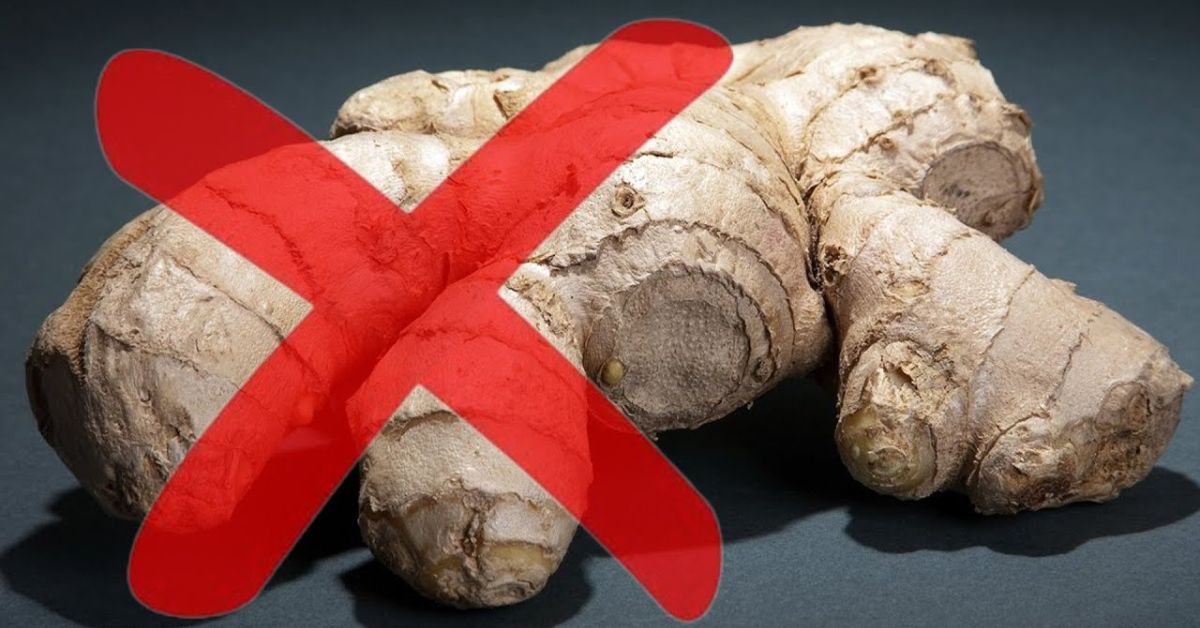
Gallbladder problems can become more painful if you consume ginger. This root, despite its health benefits, stimulates bile production which might not be ideal for people with gallbladder conditions.
Suffering from discomfort or a worsening of symptoms can be a direct result of this increased bile flow.
For those with gallbladder issues, the blood-thinning effects of ginger also increase the risk of bleeding complications. It’s essential to talk with your healthcare provider before making ginger a part of your diet.
They may suggest other remedies like chamomile or peppermint tea that are gentler on the digestive system and won’t exacerbate gallbladder complaints.
Heart conditions
While ginger can help with various ailments, its effects on the heart need careful consideration. People with heart conditions should be particularly cautious, as ginger’s blood flow stimulation properties could lead to an increased heart rate.
This might worsen existing heart problems and is something to be mindful of for those managing hypertension or other cardiac issues.
Furthermore, ginger’s blood-thinning characteristics can pose a risk if you’re taking medications like antiplatelet drugs. It may enhance their effects, potentially leading to excessive bleeding or bruising.
Those currently on treatment for heart-related concerns must consult with their healthcare provider before adding ginger to their routine.
Risks and Interactions with Medications
Understanding the potential risks and interactions between ginger and certain medications is essential, as it can affect how your body responds to treatments for conditions like heart disease or diabetes—read on to learn why consulting with a healthcare professional is vital before incorporating ginger into your health regimen.
Blood clotting medication
Ginger’s ability to thin the blood can pose a serious risk for those taking medications meant to prevent clotting. If you’re on drugs like warfarin or aspirin, carefully watching your ginger consumption is crucial.
Even a small amount of this root could potentially amplify the effects of your medication and lead to increased bleeding chances.
Medicines designed to keep blood clots from forming work diligently in your body, so adding ginger into the mix might upset that balance. Consult with your healthcare provider about how much—if any—ginger you can safely incorporate into your diet to maintain both the benefits of your prescribed medication and avoid any dangerous side effects.
High blood pressure or diabetes medication

Shifting our focus from blood clotting, it’s crucial to understand how ginger interacts with medications for high blood pressure or diabetes. Ginger has natural properties that can change the way these vital drugs perform in your body.
If you’re taking medication to manage hypertension or control blood sugar levels, incorporating ginger into your diet could potentially lead to complications. It might lower your blood pressure more than desired or cause an unexpected drop in glucose levels.
For those managing conditions like high blood pressure and diabetes, monitoring any changes is key when adding new supplements or foods like ginger. Always consult with a healthcare provider before making such additions to ensure they will not interfere with your prescribed regimen.
Being underweight
See continuation on next page
To see the full cooking instructions, go to the next page or click the Open button (>) and don't forget to SHARE it with your friends on Facebook.