

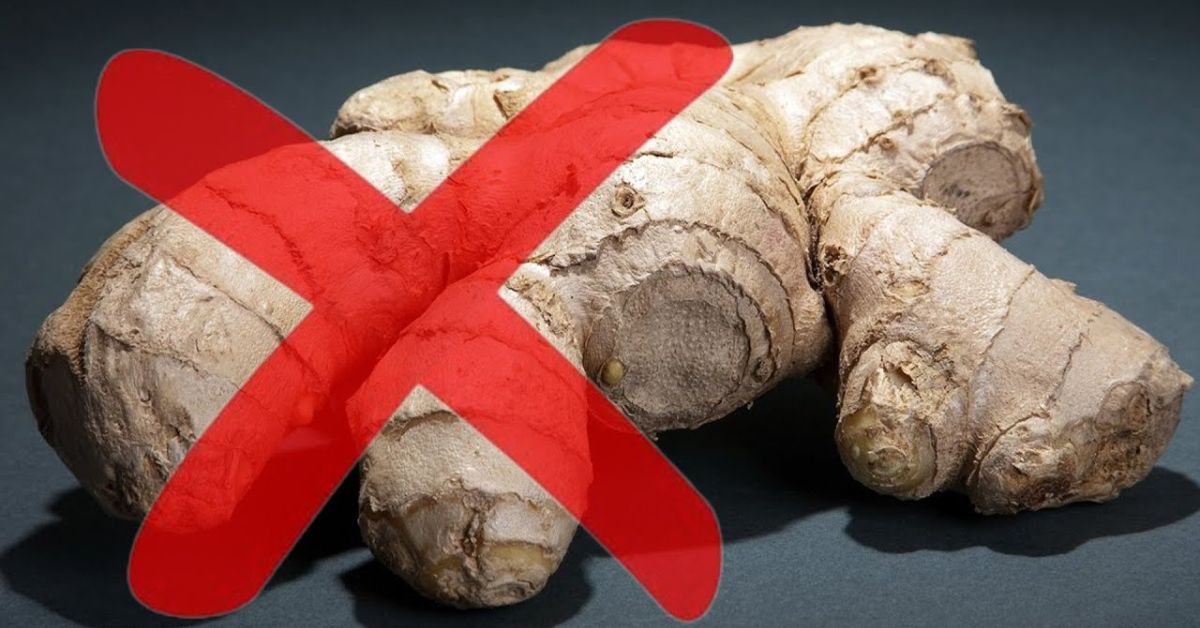
While many of us love adding ginger to our meals or sipping it in teas, especially when we’re feeling under the weather, some health conditions warrant caution before indulging in this otherwise healthy herb. In this article, we will explore which specific health issues may require you to limit or avoid ginger altogether.
Key Takeaways
Ginger acts as a natural blood thinner and can disrupt normal clotting, which is risky for people with bleeding disorders or who are on medications like aspirin or warfarin.
Those managing diabetes should be careful with ginger since it can cause unexpected drops in blood sugar levels, making it harder to control the condition.
If you have gallbladder issues like gallstones, consuming ginger may worsen your symptoms because it stimulates bile production.
Individuals with heart conditions must use caution when taking ginger as it can increase heart rate and interfere with cardiac medications.
Before any surgery, stop using ginger due to its blood – thinning effects that could pose risks during medical operations.
Bleeding disorders
Ginger can pose risks for people with bleeding disorders due to its natural blood-thinning properties. These characteristics stem from the active compounds in ginger, which have significant antiplatelet and anticoagulant effects.
Such influences are particularly critical as they can disrupt the normal clotting process of the body. As a result, individuals may experience excessive or prolonged bleeding episodes, a serious complication for anyone with hemophilia or other similar conditions.
Consulting healthcare providers before adding ginger to your diet is essential if you have any blood disorders. Your doctor will have comprehensive knowledge about how ginger might interact with your condition or any blood-thinning medications like aspirin, clopidogrel and warfarin (Coumadin) that you might be taking.
Diabetes

Moving from concerns about bleeding disorders, diabetics must also exercise caution with ginger. This root can cause blood sugar levels to drop unexpectedly, leading to symptoms such as dizziness, weakness, and even fainting if not monitored properly.
It’s important for individuals on diabetes medication or managing their condition through diet to consult healthcare professionals before adding substantial amounts of ginger to their regime.
Because ginger stimulates digestive enzymes and can affect stomach function, those who have diabetes could find managing their blood sugar levels more challenging after consuming high doses of this potent herb.
Gallbladder issues
See continuation on next page
To see the full cooking instructions, go to the next page or click the Open button (>) and don't forget to SHARE it with your friends on Facebook.