

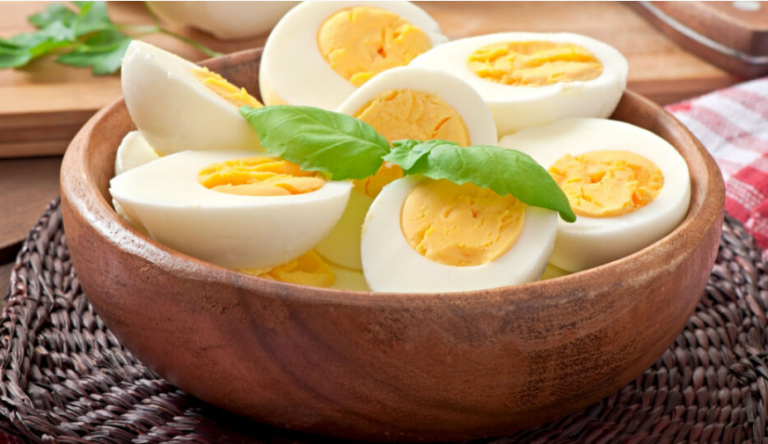
For decades, eggs were frequently criticized because egg yolks contain dietary cholesterol.
Current nutritional understanding is more nuanced.
For many healthy people, moderate egg consumption can fit into a balanced diet. The relationship between dietary cholesterol, blood cholesterol, and cardiovascular disease depends on numerous factors, including a person’s overall eating pattern, genetics, existing medical conditions, physical activity, and other lifestyle habits.
Therefore, saying that eggs are automatically “bad for your heart” is an oversimplification.
At the same time, it would also be inaccurate to claim that eating eggs prevents heart disease.
People who have high cholesterol, cardiovascular disease, diabetes, or other medical conditions should follow individualized advice from a qualified healthcare professional.
4. Boiling Doesn’t Require Added Cooking Fat
One practical advantage of hard-boiled eggs is the cooking method.
Boiling an egg doesn’t require oil, butter, or another cooking fat. The nutritional content of an egg therefore isn’t increased by calories from added cooking oils unless something is added afterward.
This can make boiled eggs a convenient option for people who want a simple preparation method.
However, the claim that boiled eggs inherently contain dramatically less cholesterol than eggs prepared using other methods can be misleading.
The cholesterol is primarily found naturally in the yolk. Cooking method does not simply remove it.
What changes more noticeably is what you add during preparation. For example, frying an egg in a large amount of butter or oil changes the overall nutritional profile of the finished dish.
5. There Are Several Tricks for Peeling Hard-Boiled Eggs
Anyone who regularly makes hard-boiled eggs has probably experienced the frustration of peeling one and accidentally removing chunks of egg white along with the shell.
There is no single trick that works perfectly every time, but several techniques can make peeling easier.
Cooling cooked eggs promptly in cold or ice water is a popular method. It stops the cooking process and can make the eggs easier to handle.
Another method is to gently crack the shell all around the egg before peeling it.
Some people find peeling under running water helpful because the water can work between the shell, membrane, and egg white.
The results can still vary depending on the egg itself.
6. Very Fresh Eggs Can Be More Difficult to Peel
Continued on next page:
To see the full cooking instructions, go to the next page or click the Open button (>) and don't forget to SHARE it with your friends on Facebook.